Chapter 2: The Age of Revolutions: American, French & Industrial
1. The American Revolution (1775–1783)
- Root Causes: British mercantile mercantilism, Stamp Act (1765), Boston Tea Party (1773), and the rallying cry "No taxation without representation".
- Declaration of Independence (July 4, 1776): Penned by Thomas Jefferson, asserting universal natural rights.
- Treaty of Paris (1783): Great Britain formally recognized American independence.
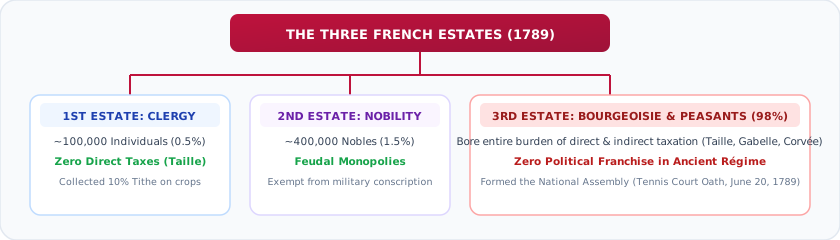
2. The French Revolution (1789–1799)
- Outbreak: King Louis XVI convened the Estates-General (May 1789). The Third Estate declared itself the National Assembly and swore the Tennis Court Oath (June 20, 1789).
- Storming of the Bastille (July 14, 1789): Symbol of royal despotism destroyed by Parisian masses.
- Declaration of the Rights of Man and of the Citizen (August 26, 1789): Proclaimed "Liberty, Equality, Fraternity".
- The Reign of Terror (1793–1794): Led by Maximilien Robespierre and the Committee of Public Safety; utilized the Guillotine against perceived counter-revolutionaries.
- Rise of Napoleon Bonaparte: Coup of 18 Brumaire (1799) crowned Napoleon First Consul, who enacted the Napoleonic Code (1804) before defeat at Waterloo (1815).
3. The First Industrial Revolution (c. 1760–1840)
Initiated in Great Britain due to agricultural surplus, coal/iron reserves, capital accumulation, and patented mechanization:
- James Watt: Improved separate condenser steam engine (1769).
- James Hargreaves: Spinning Jenny (1764).
- George Stephenson: Steam locomotive rocket (1814).
Check Your Mastery
⚡ Concept Quick-CheckTest Your Conceptual Intuition
The Tennis Court Oath of June 20, 1789, in which deputies pledged not to disband until drafting a written constitution, was taken by which body?