Chapter 6: Eurasian Mongol Pax, Islamic Caliphates & Ottoman Hegemony
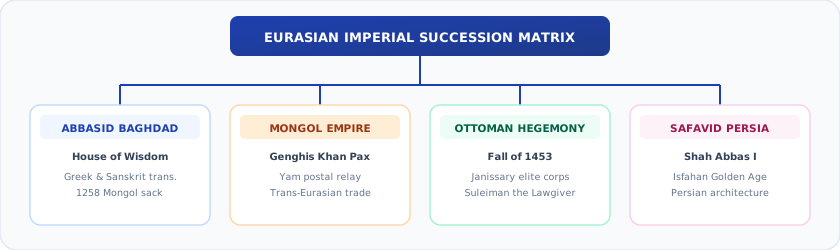
1. Genghis Khan & The Pax Mongolica
Under Genghis Khan (Temüjin) (1162–1227 CE), nomadic pastoral tribes united to forge the largest contiguous land empire in history:
- Yassa: Genghis Khan's supreme legal-military imperial code.
- Yam (Örtöö): An empire-wide network of relay postal stations operating at unprecedented courier speeds.
- Pax Mongolica (13th–14th Century): Stabilized Eurasian trade routes, facilitating the journey of Marco Polo, paper money transmission, and printing/gunpowder dissemination between China and Western Europe.
2. The Ottoman Empire & Fall of Constantinople (1453 CE)
Sultan Mehmed II (The Conqueror) captured Constantinople on May 29, 1453, terminating the Byzantine Roman Empire:
- Geopolitical Impact: Blockaded traditional overland Silk Road access for Western European merchants, directly catalyzing the Age of Discovery (Vasco da Gama 1498, Columbus 1492).
- Devshirme & Janissaries: The institutional levy of young Christian subjects trained into elite imperial infantry (Janissaries) and grand viziers.
- Suleiman the Magnificent (1520–1566): Reached the gates of Vienna (1529) and established comprehensive imperial law codes (Kanun).
Check Your Mastery
⚡ Concept Quick-CheckTest Your Conceptual Intuition
The capture of Constantinople by Ottoman Sultan Mehmed II in 1453 directly catalyzed which major historical development in Western Europe?