Chapter 2: The Delhi Sultanate: Administration, Market Reforms & Iqta System
1. Dynastic Foundations & Balban's Sovereign Theory
The Delhi Sultanate (1206–1526 CE) spanned five successive dynasties:
- Mamluk / Slave Dynasty (1206–1290): Qutb-ud-din Aibak, Iltutmish (established Chahalgani / The Forty), Razia Sultana, Ghiyas-ud-din Balban.
- Khalji Dynasty (1290–1320): Jalal-ud-din Khalji, Alauddin Khalji.
- Tughlaq Dynasty (1320–1414): Ghiyas-ud-din, Muhammad bin Tughlaq, Firoz Shah Tughlaq.
- Sayyid Dynasty (1414–1451): Khizr Khan.
- Lodi Dynasty (1451–1526): Bahlul Lodi, Sikandar Lodi, Ibrahim Lodi.
Balban’s Theory of Kingship (Niyabat-i-Khudai)
Balban consolidated royal majesty to crush the rebellious Turkish nobility (Chahalgani):
- Claimed descent from the mythical hero Afrasiyab.
- Crown doctrine: Sovereign is Zil-i-Ilahi (Shadow of God on Earth) and Niyabat-i-Khudai (Deputyship of God).
- Enforced strict Persian court ceremonialism: Sijda (prostration) and Paibos (kissing the monarch's feet), alongside the annual Nauroz festival.
2. Alauddin Khalji’s Imperial Innovations & Market Regulations
Faced with recurring Mongol incursions from the Chagatai Khanate, Alauddin Khalji (1296–1316 CE) reorganized the military and fiscal system.
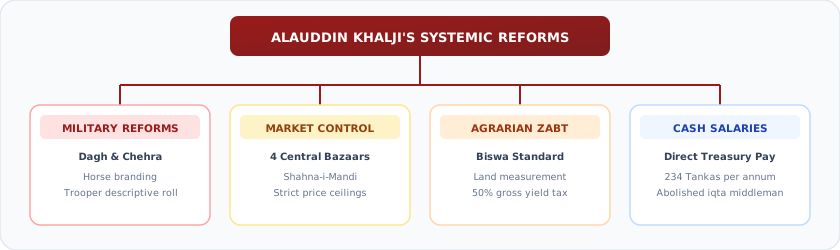
The Four Specialized Markets of Delhi
- Mandi (Grain Market): Price capped by royal decree; supervised by the Shahna-i-Mandi; grain hoarded in royal storehouses.
- Sarai-i-Adl (Cloth, Sugar, Oils & Imports): Regulated all manufactured textiles and luxury goods.
- Horses, Slaves & Cattle Market: Eliminated middleman brokers (Dallals).
- General Commodities: Minor provisions monitored by secret informers (Barids and Munhiyan).
3. Muhammad bin Tughlaq’s Five Administrative Experiments
Historian Ziauddin Barani in Tarikh-i-Firoz Shahi documents the five bold but disastrous ventures of Sultan Muhammad bin Tughlaq (1325–1351 CE):
- Taxation in the Doab (1326): Raised agrarian tax rates during a severe famine, sparking peasant rebellion.
- Capital Relocation to Daulatabad (Devagiri) (1327): Attempted to establish a central imperial capital to govern the Deccan; caused logistical catastrophe and was subsequently revoked.
- Introduction of Token Currency (1330): Minted copper/brass tokens at par value with silver Tanka; undermined by widespread counterfeit minting due to absence of royal mint-mark monopolies.
- Khurasan Military Expedition: Recruited and mobilized an army of 370,000 soldiers for a year with advance cash pay, only to abandon the campaign.
- Qarachil Himalayan Campaign: Disastrous expedition into the Kumaon hills where imperial forces were destroyed by guerilla tactics and disease.
4. The Iqta System & Agrarian Taxation
The Iqta was a territorial assignment granted to military commanders (Muqtis or Walis) in lieu of cash salary. The Muqti collected agrarian taxes, maintained troops, and remitted the balance (Fawazil) to the central exchequer (Diwan-i-Wizarat).
Check Your Mastery
⚡ Concept Quick-CheckTest Your Conceptual Intuition
Who was the Moroccan traveler who arrived in India during Muhammad bin Tughlaq's reign and was appointed the Chief Qazi of Delhi?