Chapter 5: Gupta Golden Age, Post-Mauryan Synthesis & Peninsular Kingdoms
1. The Imperial Guptas & Classical Synthesis
The Gupta Dynasty (c. 319–550 CE), established by Sri Gupta and consolidated by Chandragupta I, Samudragupta, and Chandragupta II Vikramaditya, presided over an era of unprecedented classical Sanskrit literary, architectural, and scientific achievement.
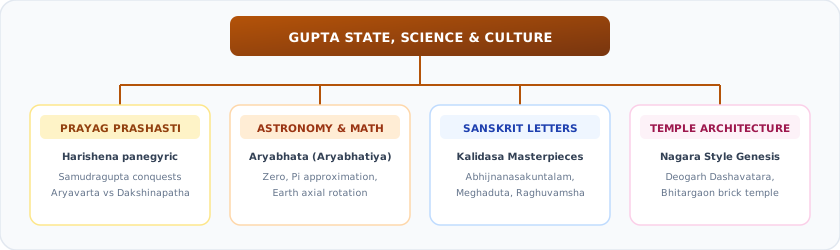
Samudragupta's Conquest Categories (Prayag Prashasti)
- Aryavarta (North India): Direct annexation and extermination (Prasabhoddharana of 9 kings).
- Dakshinapatha (South India): Policy of capture and liberation (Grahana-Mokshanugraha of 12 kings).
- Atavika Kingdoms (Forest Tribes): Subjugation to servitude (Paricharikikrita).
- Pratyanta (Border States - Samatata, Kamarupa, Nepal): Tribute and personal homage (Sarvakaradana-Agyakarana).
2. Peninsular Powers: Sangam, Satavahanas, Pallavas & Early Cholas
- Satavahanas (Deccan): Matronymic rulers (Gautamiputra Satakarni - Eka Brahmana); pioneered the issuance of royal land grants (Brahmadeya and Agrahara) with fiscal immunity.
- Sangam Age (Tamilakam): Cholas (Uraiyur/Puhar), Cheras (Vanji/Karur), Pandyas (Madurai). Literature classified into Akam (interior romance) and Puram (exterior warfare and kingship).
- Pallavas of Kanchi: Rock-cut rathas and monolithic mandapas at Mamallapuram (Mahabalipuram) under Mahendravarman I and Narasimhavarman I.
Check Your Mastery
⚡ Concept Quick-CheckTest Your Conceptual Intuition
The Allahabad Pillar Inscription (Prayag Prashasti), composed in ornate Sanskrit Champu kavya by court poet Harishena, eulogizes the conquests of which monarch?